
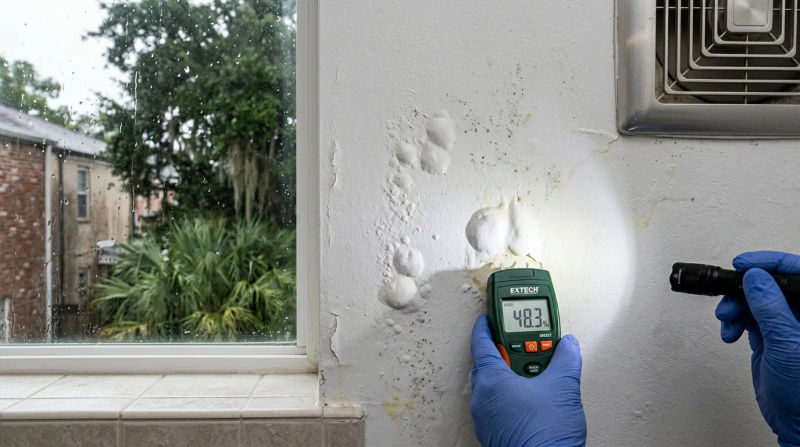
You’ve just finished your morning routine, and as the steam from the shower clears, you notice it: a small, raised bubble on the bathroom wall that wasn't there yesterday. At first, you might dismiss it. But after a few days of that signature Metairie humidity, especially during the rainy spells we see in September, that one bubble has friends. Now you have a cluster of blisters, and the smooth finish of your wall is ruined. If this scenario sounds familiar, you’re not alone. This is a common issue our technicians see, and it’s almost always a sign of an underlying problem.
As a project manager with over a decade of experience in home renovations, I’ve seen firsthand how a seemingly minor issue like bubbling paint can point to more significant concerns. It’s more than just a cosmetic flaw; it’s your home’s way of telling you something is wrong. Understanding what to look for and what causes it is the first step toward a lasting solution.
Common Signs and Symptoms
Paint bubbles and blisters can appear in various forms, and identifying them correctly can provide clues about the root cause. While the terms are often used interchangeably, there are subtle differences. Here’s what you should be looking for:
- Bubbles: These are typically small, pocket-like formations that feel soft or squishy to the touch. They often contain water or air trapped between the paint layer and the substrate (the wall itself). You'll frequently find them in areas prone to moisture, like bathrooms, kitchens, and laundry rooms.
- Blisters: Blistering is a more advanced stage of bubbling. The bubbles may be larger, more numerous, and can feel either firm or flexible. Paint blistering in humid weather is a frequent complaint we address, as the moisture in the air prevents the paint from curing properly and can lift it from the surface.
- Peeling or Flaking: This is what happens when bubbles or blisters break. The paint film has completely lost adhesion and begins to peel away from the wall in strips or flakes. You might see the underlying drywall, plaster, or a previous layer of paint underneath.
- Location-Specific Issues: Pay attention to where the bubbling occurs. Is it happening on an exterior-facing wall? Near a window or door frame? On the ceiling below an upstairs bathroom? The location is one of the most important diagnostic clues our teams use to pinpoint the source of the problem.
What Causes This Problem
Figuring out why paint bubbles on walls is a process of elimination. The core issue is always a loss of adhesion between the paint and the surface it’s applied to. In my experience, this loss of adhesion can almost always be traced back to one of two culprits: moisture or heat. Here are the most common causes we encounter in the Metairie area.
- Excessive Moisture and Humidity
This is, without a doubt, the number one cause of bubbling paint in Metairie. Our hot, humid climate, especially during the late hurricane season, creates the perfect environment for moisture to cause problems. When warm, moist air condenses on a cooler wall surface, the water can seep behind the paint film, pushing it away from the substrate. This is particularly common in poorly ventilated bathrooms and laundry rooms.
- Underlying Water Leaks
While humidity causes surface condensation, a direct water leak is far more damaging. A slow drip from a pipe inside a wall, a leak from an upstairs bathroom, or water intrusion from a failing roof or window seal can saturate the drywall or plaster. As the water tries to escape, it pushes the paint outward, creating bubbles. Many of the charming 1950s Ranch-style homes in Metairie have low-pitched roofs and original plumbing that, after 70 years, can become sources of these slow, hidden leaks.
- Improper Surface Preparation
Paint needs a clean, dry, and properly prepared surface to adhere to. If a wall is painted while it’s still damp, or if it wasn’t cleaned of dust, dirt, or grease, the paint film can’t form a strong bond. Our crews follow a rigorous, standardized process for surface preparation because we know that skipping this step is a guarantee of future failure.
- Painting in High-Humidity Conditions
Applying a fresh coat of paint on a humid, rainy day is a common mistake. The moisture in the air gets trapped under the drying paint film. This is especially true for latex or acrylic paints, which cure as water evaporates. If the air is already saturated, the paint dries too slowly and can easily form blisters.
- Using the Wrong Primer or Paint
Not all paints are created equal. Applying a latex (water-based) paint directly over an old oil-based paint without first using the correct bonding primer will cause adhesion failure. The new paint simply can't grab onto the slick, non-porous surface of the old paint, leading to widespread peeling and blistering over time.
- Exposure to Heat
Direct, intense heat can also cause paint to bubble. This is more common on exterior walls painted in dark colors that absorb a lot of sunlight. The heat can cause the paint to soften and expand, creating blisters. It can also happen on interior walls located too close to a heat source, like a radiator or a faulty vent.
- Surface Contamination
In kitchens, a thin layer of cooking grease can settle on walls. In bathrooms, residue from soap or personal care products can do the same. Painting directly over these contaminants without thoroughly cleaning the surface first will prevent proper adhesion and lead to bubbling.
When to Call a Professional
Deciding whether to tackle a paint issue yourself or call for help depends on the scale and suspected cause of the problem. A single, small bubble in a bathroom that appeared after a particularly steamy shower might be a simple fix. You can carefully lance the bubble, press the moisture out, let it dry completely, patch, prime, and repaint.
However, you should contact an experienced professional if you notice any of the following:
- Widespread or Recurring Bubbles: If the problem affects a large area or comes back after you’ve repaired it, there is a persistent underlying cause that needs to be identified and fixed.
- Signs of a Water Leak: If the bubbling paint is accompanied by brownish stains, a musty odor, or the drywall feels soft and spongy, you likely have an active leak. Simply painting over it will not solve the problem and will lead to more significant structural damage and potential mold growth.
- Peeling Down to the Substrate: If the paint is peeling off in large sheets and taking the primer with it, this often points to a systemic failure due to poor preparation or incompatible paint layers. Fixing this correctly requires stripping the surface, which is a labor-intensive job best left to trained crews.
- You're Unsure of the Cause: The most valuable service a professional provides is an accurate diagnosis. Our technicians are trained to investigate the symptoms and trace them back to the root cause. This ensures that the repair we perform is a permanent solution, not a temporary patch.
Conclusion
Bubbling paint on your walls is more than just an eyesore; it's a critical warning sign. While it can be tempting to just scrape and repaint, doing so without addressing the root cause - usually excess moisture - is a recipe for repeat failure. The key takeaways are to control humidity through proper ventilation, ensure surfaces are meticulously prepared before painting, and investigate any signs of water intrusion immediately.
By understanding the common causes, from our region's intense humidity to hidden plumbing leaks in older homes, you can take a more proactive approach. Don't wait for a small bubble to become a large peeling patch. Addressing the problem early will save you time, money, and the frustration of having to do the job twice.
If you notice any of these signs, contact a local remodeling professional for an inspection. An expert eye can diagnose the true source of the problem and recommend a lasting solution.