
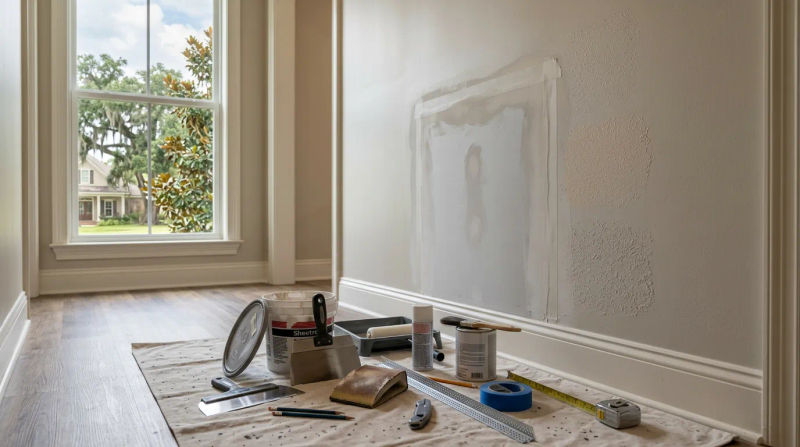
As a Senior Project Manager with over a decade of experience in home renovations, I know that even small imperfections can detract from the look and feel of your home. When homeowners in Raceland call us about drywall damage, one of their first questions is always, "What is this going to cost?" It's a fair question, and my goal here is to provide a transparent look at the costs and factors involved in professional drywall repair.
Whether you're dealing with settlement cracks, dings from moving furniture, holes left by old wall anchors, or even minor water stains from our late hurricane season, getting a clean, seamless repair is crucial. Especially now, after a busy summer and before the holidays arrive, many homeowners choose this time to patch up high-traffic areas. This guide will help you understand what goes into a proper drywall patch cost so you can budget confidently.
Average Costs in Raceland
It's important to understand that a professional repair is more than just spackling a hole. It involves careful preparation, multiple coats of compound, sanding, and intricate texture blending to make the damage disappear. In the Raceland area, costs are generally broken down by the size and complexity of the job. While every project is unique, here are some realistic price ranges you can anticipate.
- Small Repairs (up to 6 inches): This category includes nail pops, screw holes, and small dings or dents. For these jobs, you're often paying for a contractor's minimum service fee, which covers their travel, setup, and the multi-step repair process. Expect the drywall repair cost Raceland homeowners pay for a single small patch to be between $250 and $450. This ensures a technician has the time to do the job right, including the crucial drying time between coats.
- Medium Repairs (up to 2' x 2'): This is a common size for things like doorknob holes, damage from a plumbing or electrical access point, or a larger area of impact. The cost for a medium-sized patch typically ranges from $400 to $700. This price accounts for cutting out the damaged sheetrock, installing a new piece, taping, mudding, and texture matching.
- Large Repairs or Multiple Patches: If you have significant water damage that requires replacing a larger section of drywall (e.g., 4' x 4' or more), or if you want to fix numerous smaller imperfections throughout a room, the cost will naturally be higher. These projects can range from $700 to $1,500+, depending on the total square footage and complexity. Bundling multiple repairs into a single visit is almost always more cost-effective.
A Note on Ceilings: Ceiling repairs are generally 15-25% more expensive than wall repairs of the same size. This is due to the force of gravity, which makes the work more challenging, and the increased prep work needed to protect everything below.
Factors That Affect Price
The price ranges above are a good starting point, but several specific factors can influence your final estimate. When we create a quote, our technicians assess these key variables.
- Size and Location of Damage: A small hole in the middle of a wall is straightforward. The same size hole in a high stairwell or on a vaulted ceiling requires more setup, including scaffolding or specialized ladders, which increases labor time and cost.
- Type of Damage: A simple crack is less intensive to fix than a hole that requires a new piece of sheetrock to be cut and installed. Water damage is the most complex, as it often requires removing a larger section of drywall to inspect for mold and ensure the underlying structure is completely dry before any repairs begin.
- Texture Matching: This is where skill and experience truly matter. The texture matching drywall price is a significant component of the total cost because it's an art form. Most modern homes have a light orange peel or knockdown texture. However, many of the classic Ranch homes in Raceland, built in the 1950s and 1960s, can have unique, heavier textures that are more difficult to replicate. A professional technician will blend the new texture into the old, feathering it out so the patch becomes invisible after painting. Poor texture matching is the number one sign of an amateur repair.
- Plaster vs. Drywall: While most homes built after the 1950s use drywall (sheetrock), some older properties in the area may still have plaster walls. Plaster repair is a different skill set, requiring different materials and techniques. It is typically more labor-intensive and therefore more expensive than standard drywall repair.
- Site Preparation and Cleanup: A key part of our standardized process is meticulous site prep. Our crews mask off the work area with plastic, cover floors and furniture, and often use dust-containment systems during sanding. This thorough protection and cleanup is built into the cost of a professional service and prevents a fine layer of dust from settling throughout your home.
How to Get the Best Value
Getting the best value doesn't always mean finding the lowest price. It means investing in a quality repair that you won't have to think about again. Here are a few tips from my experience in the field.
- Bundle Your Repairs: If you have a doorknob hole in the hallway, a few nail pops in the living room, and a settlement crack in the bedroom, have them all addressed in one visit. The initial setup and travel time is a fixed cost, so tackling multiple spots at once significantly lowers the average cost per patch.
- Prepare the Work Area: While our crews will always handle full site protection, you can save a little on labor time by moving furniture, rugs, and wall hangings out of the work area before we arrive. This allows our technicians to get started on the repair immediately.
- Hire a Vetted Professional: It can be tempting to go with the cheapest handyman when you search for a "sheetrock patch estimate near me." However, a poorly done patch often cracks, flashes through paint, or has a noticeably different texture. Having to pay someone to fix a bad repair costs more in the long run. A reputable company with trained crews and organized workflows ensures the job is done correctly the first time.
Questions to Ask Your Contractor
To ensure you're hiring a true professional, don't be afraid to ask detailed questions. An experienced contractor will be happy to answer them.
- How will you protect my home and furniture from dust?
- Does your estimate include texture matching? Can I see photos of previous texture blending work?
- Is priming and final painting included, or does the quote only cover the drywall repair itself? (This is a very important distinction!)
- How many trips will the repair take? (A proper repair requires at least two visits to allow for drying time between coats of compound.)
- Are your technicians employees, and are they covered by liability insurance and workers' compensation?
- Do you provide a written, line-item estimate?
- What kind of warranty do you offer on your repairs?
Taking the time to address these nagging wall imperfections can completely refresh a room. As a Senior Project Manager, I've seen countless times how fixing these small details restores a sense of pride and polish to a home. For a personalized and detailed drywall patch cost estimate for your Raceland home, our team at Clark Remodeling is ready to help. Contact us for a free, no-obligation consultation.